
Broken Windows
What do broken windows tell us?

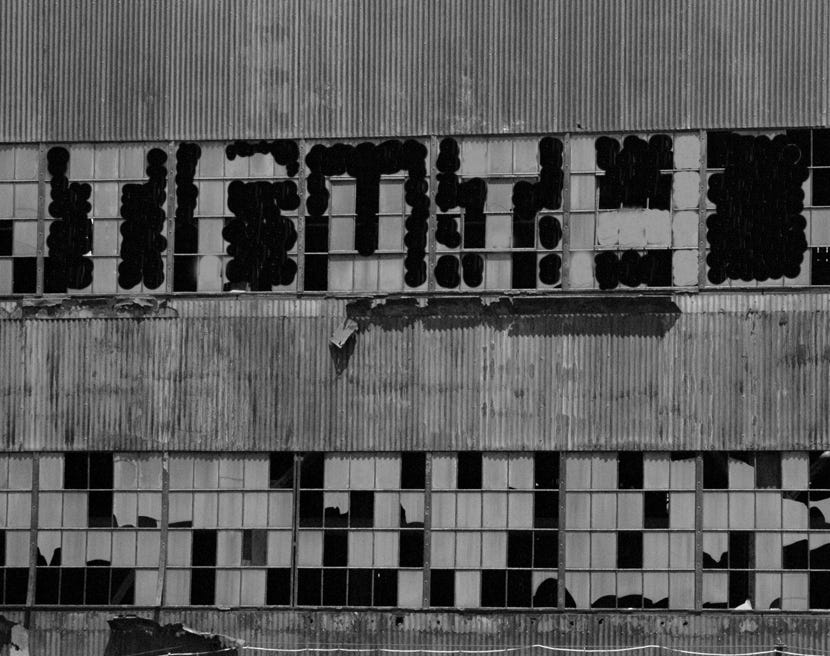
My wife recently witnessed someone dumping trash out of their car window in a neighborhood on the outskirts of Pittsburgh that had been struggling for years. Lots of broken windows. The car had out-of-state plates, and she wondered why someone would do such a thing.
Why would someone trash a place they don’t live in? Why would anyone trash a community, period?
Back in the 1980s, two criminologists offered an idea called the “broken windows theory.” It suggested that a single broken window left unrepaired sends a message: “No one cares.” The idea was that this kind of neglect—minor disorder like graffiti, litter, or a broken window—can spread like a virus, signaling a breakdown in social order. The theory argued that addressing these smaller issues could prevent a downward spiral toward more serious crime.
It’s not so much about cause and effect as it is about creating a psychological and social dynamic. The environment sends a signal. That signal creates a perception, and that perception changes behavior. That’s basically how propaganda works.
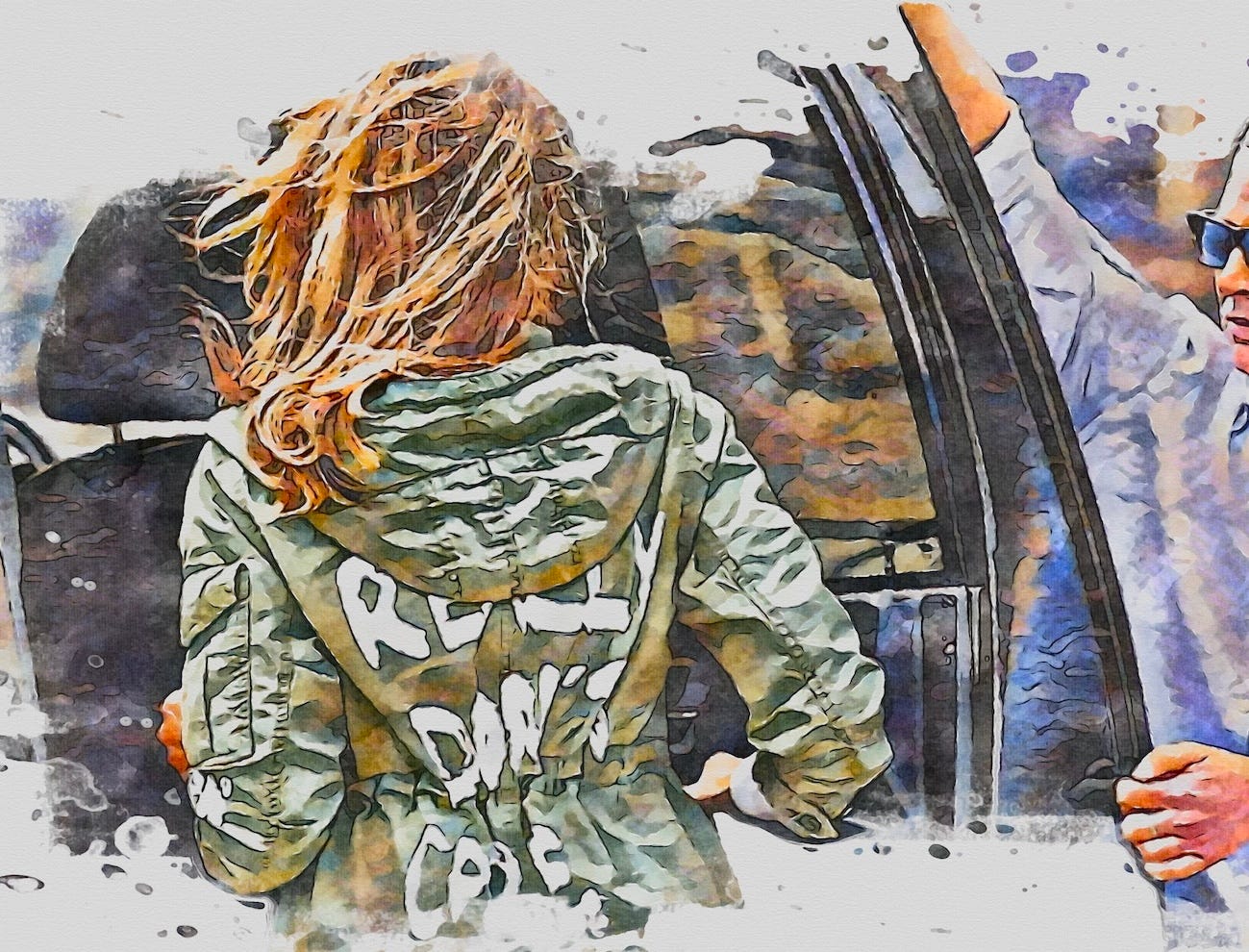
This “broken window” idea came to mind when I thought about another famous act of public symbolism: the Zara jacket Melania Trump wore in 2018. As she was boarding a plane to visit a shelter for migrant children, the message on the back was impossible to miss: “I really don’t care, do u?”
That jacket was a visual “broken window.” It sent two powerful messages to two different audiences.
To supporters: “We won’t be moved by emotional appeals. We don’t care what the critics think.”
To critics: “We reject your calls for compassion. Your values are meaningless to us.”
Her fascist fashion statement created an atmosphere that normalized an authoritarian lack of empathy. It was a performance of power—a deliberate breaking of the social norm of compassion. Like the literal broken window, it opened the door to a culture of apathy and a profound erosion of empathy.
And this brings me to a third example: Mark Manson’s wildly popular book, “The Subtle Art of Not Giving a F*ck,” which came out in 2016, the same year Trump first entered office.
Manson’s core philosophy is actually quite deep: it’s about thoughtfully prioritizing what’s truly important and accepting the struggles that come with it. It’s a call to consciously choose what you care about. Wonderful.
But here’s the problem. The book’s deeper message is often overshadowed by its crude surface message, fueled by its provocative title and social media popularity. What the world heard was a simplistic call to “not care about anything.” This emboldens a “devil may care” attitude, as if apathy were a virtue.
Unfortunately, this also leads to a paradox. A book intended to encourage intentional living is often misinterpreted as a justification for apathy and emotional detachment. People who only engage with the surface message use it to avoid responsibility and dismiss the feelings of others. It’s an easy excuse for carelessness, like tossing trash out of a car window. “Ha ha, who gives a f*ck?”
So, while the provocative title sold millions of books, it also unintentionally sold something else: apathy.
We don’t have to accept this as the final message. The answer isn’t to stop not caring; it’s to be more intentional about what we do care about. This is the core of Manson’s message, and it’s one we can begin to apply in our own lives and communities right now. We can connect with each other.
Instead of a broken window signaling neglect, we can consciously create signals of care. When we see a piece of trash, we can pick it up. When a neighbor is struggling, we can offer help. When a social issue seems overwhelming, we can choose one small thing to give a “f*ck” about and act on it. We can protest with simple signs of our own.
This is the ultimate counter-narrative. When we choose to care about the details, we restore the community’s sense of shared responsibility. We replace the authoritarian “I don’t care” attitude with a new message: “We care, and we’re here.” This small act of defiance against apathy is what truly builds stronger communities, one intentional act at a time.
J. E. - This is such a thoughtful reflection, and I love how you trace the symbolism of “broken windows” from literal neighborhoods to fashion statements to cultural messaging. You capture so well how signals of neglect or indifference ripple outward, shaping behavior and norms.
I especially appreciate your reframing at the end, that the antidote is not some grand gestures but intentional acts of care. Picking up the trash, noticing the details, choosing what to give our energy to, these become the counter-narratives that restore community and compassion.
Thank you for writing this! It, and of course, you matter!